Women Bags and the Style Shared by Phoebe and Edith


Chapter 1: Two Friends Seen Together
Phoebe and Edith had been close long enough that their friendship felt settled rather than declared. They did not need constant contact to stay connected. When they met, conversation continued with ease, built on familiarity rather than updates.
Style played a visible role in how they spent their time together. Both paid attention to what they wore, not as display, but as part of how they carried themselves. Phoebe leaned toward sharper outlines and clear contrasts, while Edith preferred softer combinations that allowed ease without losing structure. Side by side, the difference worked.
They often planned their days around activity—heading to the gym, stepping out for meals, or walking through open spaces. Their outfits were prepared for all of it, never tied to a single setting. Being together meant continuity rather than interruption, and their way of dressing reflected that.
People who saw them together often noticed the pause that followed. They did not dress alike, yet something about the pairing stayed in memory.
Chapter 2: Getting Ready Without a Second Thought
For Phoebe and Edith, dressing well was not reserved for special plans. It was part of how they organized an ordinary day. Gym sessions, meals, and time outdoors were treated as equal parts of the same schedule, not separate events that demanded changes in tone.
They often met already dressed for whatever might follow. Phoebe favored clean layers that held their form throughout the day. Edith leaned into combinations that stayed comfortable even after hours of activity. Neither needed to rethink what they wore once they stepped out.
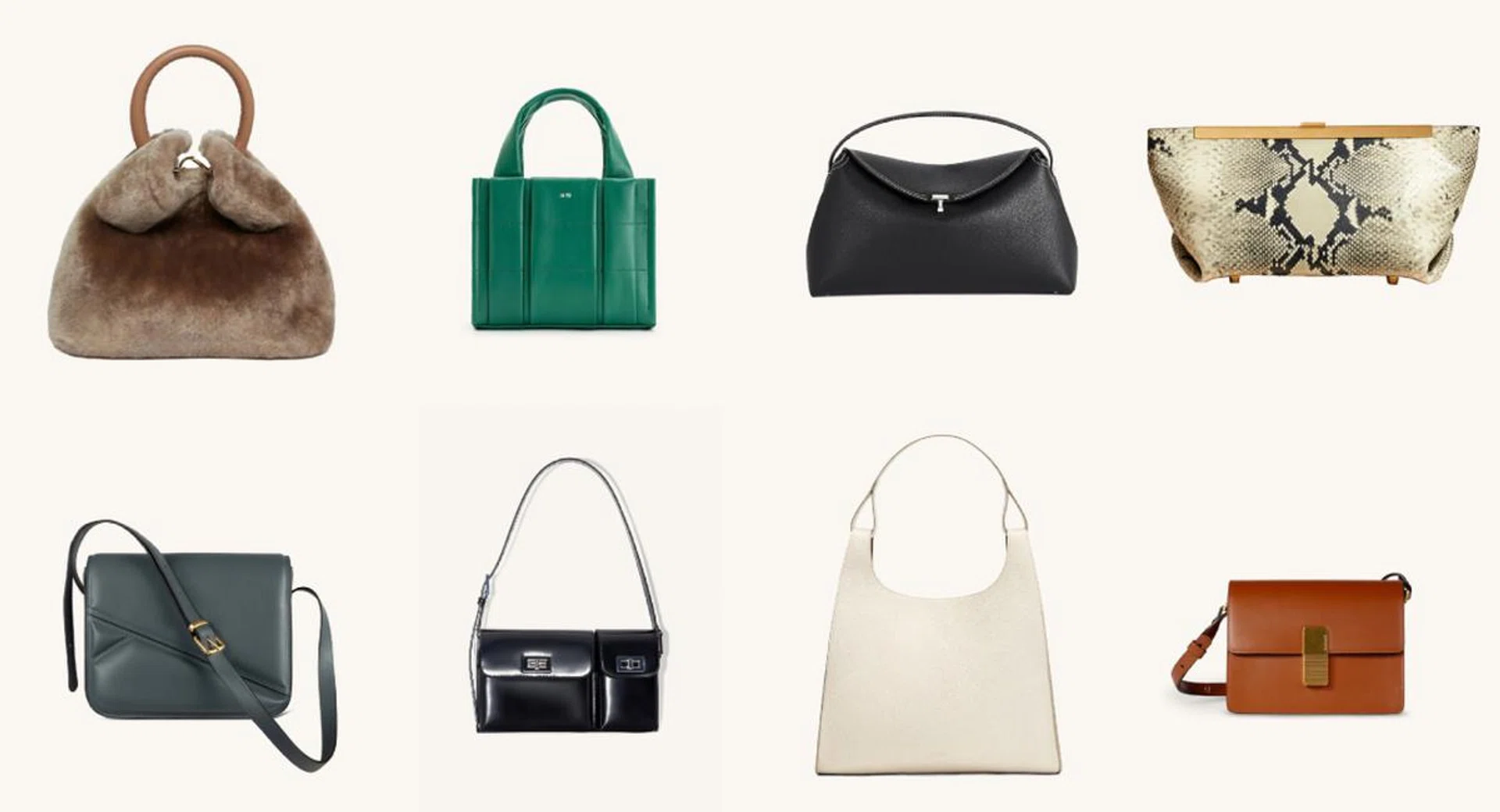
During these moments, women bags were part of the conversation in a practical sense. What they carried needed to work across locations without disrupting the overall look. The bag was not an afterthought, but neither was it the focus. It simply belonged.
Over time, they learned what worked by doing it again and again. When everything they carried stayed useful from morning to evening, the day asked for less attention.
Chapter 3: What Phoebe Carries Each Day
Phoebe rarely questioned what she carried with her. Her women leather bag had earned its place through constant use, fitting into her outfits without competing with them. It paired well with tailored clothing and remained appropriate when her look moved toward something more casual.
At the gym, it held what she needed without excess. When plans moved elsewhere, it stayed relevant. Phoebe appreciated how it maintained its presence without demanding attention, allowing her focus to remain on where she was going.
Friends associated the bag with her over time—not because it stood out, but because it always seemed right. It became part of her visual identity, linking her style across different settings.
For Phoebe, that consistency mattered. It allowed her to move through the day without reconsidering what she carried.
Chapter 4: Starting the Day on the Move
When Phoebe and Edith headed out together, their days often began with activity. The gym was a regular meeting point, not treated as a separate destination but as one stop among many.
Their outfits reflected that mindset. Clothing needed to work through training and still feel appropriate afterward. Phoebe kept her look streamlined, while Edith focused on comfort paired with intention. Neither overthought the process.
Afterward, they changed and stepped back out, ready for whatever followed. There was no pause to reorganize or replace anything. Everything they brought along had already been considered.
That sense of readiness influenced how they spent time together. The day stayed open, and their style supported that freedom rather than narrowing their options.
Chapter 5: Leaving One Place, Going to the Next
After finishing their workout, Phoebe and Edith did not treat the rest of the day as a separate chapter. They changed, checked that they had what they needed, and stepped back out together. The transition felt seamless—not because it was planned in detail, but because everything they brought along had already been considered.
They walked toward a nearby place to eat, talking about small things that had come up during the week. Neither felt the need to rush. Their outfits still made sense, and nothing needed to be swapped out.
In moments like this, women bags proved their value without calling attention to themselves. What Phoebe and Edith carried fit the flow of the day, supporting one stop after another without breaking continuity.
They stayed longer than expected, letting the meal extend the afternoon. When they finally stood up, there was no sense of interruption—only the feeling that the day was still open.
Chapter 6: Standing Apart, Side by Side
Although Phoebe and Edith spent a lot of time together, their styles never blended into one. Phoebe preferred cleaner lines and sharper contrast, choosing outfits that felt direct and composed. Edith leaned toward softer combinations that offered ease without looking unfinished.
Standing side by side made those differences clear. What worked for one would not always work for the other, and that distinction mattered. They never tried to coordinate or mirror each other.
That difference showed up in small ways—how one chose layers, how the other handled color. Sharing the day never meant becoming alike.
Chapter 7: What Edith Brings Along
Edith’s preference for practicality showed most clearly in what she carried. Her women canvas bag fit into her day with ease, offering space without weight and structure without stiffness. It worked as well during active hours as it did later on.
When they walked through the park or crossed the street together, the bag stayed close without demanding attention. Edith appreciated that it kept pace with her without asking for care or adjustment.
She did not think of it as a statement or an accent. It was simply something that supported how she spent the day, keeping what she needed within reach.
Over time, it became part of how others pictured her—reliable, unfussy, and easy to be around.
Chapter 8: Walking It Off
Spending time outside gave Phoebe and Edith a chance to slow their pace. They chose paths that allowed conversation to continue without interruption, stopping now and then to sit and watch what was happening around them.
The change of setting highlighted how their outfits held up across different environments. Nothing felt out of place. Their looks remained cohesive, whether they were walking, sitting, or heading onward.
They talked about upcoming plans, recent trips, and small details from earlier in the day. The conversation moved forward without direction, shaped only by the time they shared.
Being outdoors reminded them why they valued dressing with intention. Style, for them, was not tied to specific places—it followed them wherever the day led.
Chapter 9: Still Out, Still Going
As the afternoon continued, Phoebe and Edith found themselves without a fixed plan. One stop blended into another, guided more by mood than by schedule. What mattered was that they did not need to return home or rethink what they carried.
In moments like this, women bags felt like a natural extension of how they lived—items chosen with enough care to remain relevant as the day unfolded. They supported going from place to place, fitting into changing surroundings without interrupting the flow of time.
Phoebe straightened her outer layer as they walked, while Edith changed her grip on the strap resting on her shoulder. Nothing needed to be replaced or swapped. Everything already worked as it was.
That sense of continuity gave the day its rhythm. They were free to keep going, knowing what they carried could follow without hesitation.
Chapter 10: Nothing on Display
Phoebe and Edith never treated fashion as something meant to be displayed. Their style was not built for attention, nor did it depend on reactions from others.
They dressed in ways that felt aligned with their own pace. Outfits were chosen to support long days rather than brief appearances. There was no urge to explain or justify those decisions.
They kept going without stopping to reconsider anything. Where they headed next mattered less than staying out and letting the day continue.
Chapter 11: How They’re Remembered
People who crossed paths with Phoebe and Edith often remembered them as a pair. Not because they dressed the same, but because their styles seemed to belong in the same frame.
There was an ease in how they stayed together—one that suggested familiarity and trust. Their outfits complemented that connection, reinforcing the sense that they shared more than just time.
Observers might catch details—the contrast in silhouettes, the way each carried herself—but what stayed was the impression of cohesion. Two individuals, distinct yet clearly connected.
Even after they were gone, the image of the two side by side stayed behind, harder to forget than expected.
Chapter 12: Heading Home the Same Way
As the day drew to a close, Phoebe and Edith parted ways without ceremony. Each headed home, carrying the day with her rather than leaving it behind.
Their time together did not need to be summed up or marked. It had unfolded through conversation, shared space, and hours spent side by side.
Style remained part of that experience until the end. What they wore and carried continued to serve them, just as it had earlier.
When the streets grew less busy and the city settled into evening, both women moved forward with the same sense of confidence they had carried from the start.