
Choosing the Right Produce Bags for Farmers Markets vs. Supermarket Retail
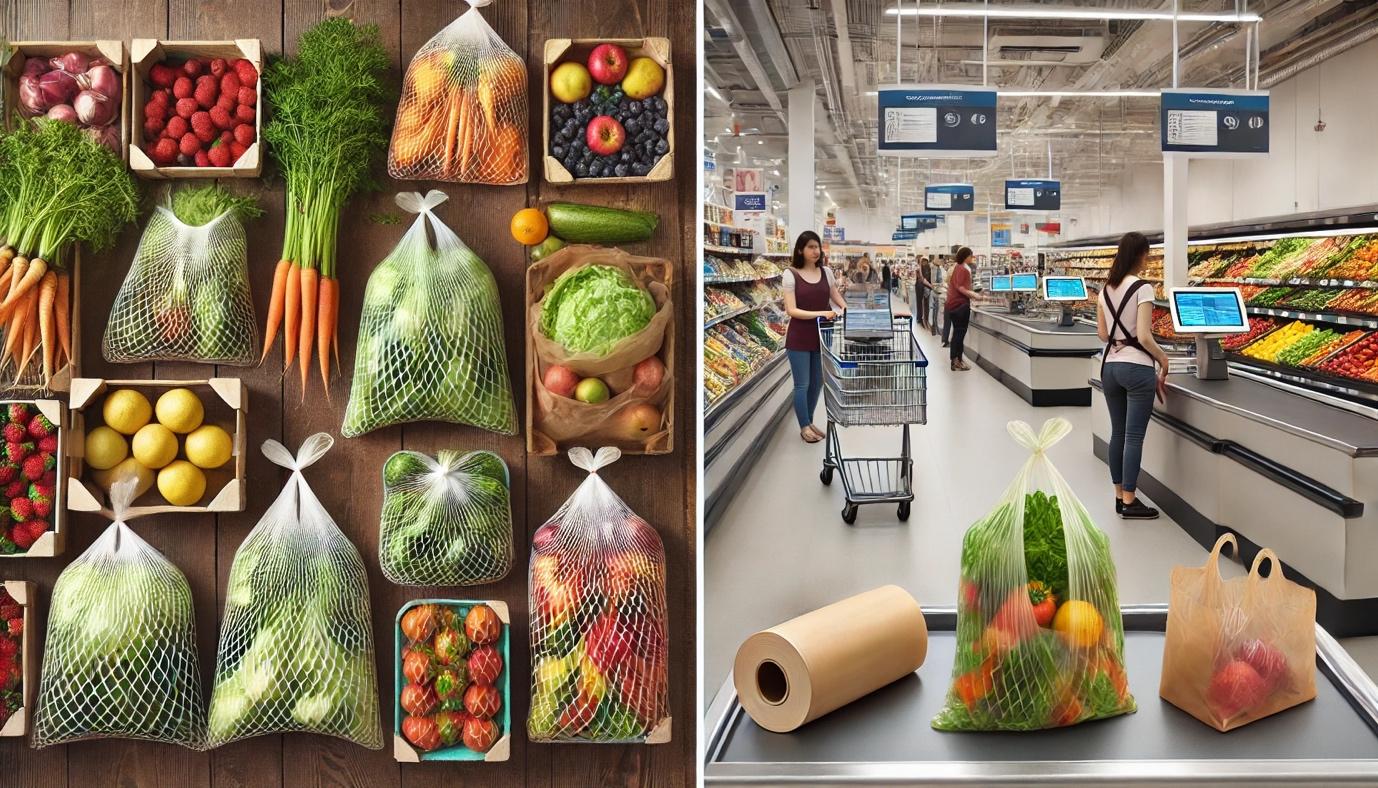

Selecting the appropriate produce bags is essential for both farmers market vendors and supermarket retailers, as it directly influences customer satisfaction, product freshness, and environmental impact. While both settings aim to provide quality produce, the choice of packaging often differs due to varying customer preferences and operational considerations.
Farmers Markets: Embracing Sustainability and Reusability
At farmers markets, consumers are typically more environmentally conscious and prefer sustainable packaging options. Vendors often opt for reusable or compostable bags made from materials like organic cotton or biodegradable fibers. These bags not only reduce plastic waste but also align with the eco-friendly values of many farmers market patrons. Mesh produce bags, for example, are popular due to their breathability, which helps maintain the freshness of fruits and vegetables. Additionally, these bags are washable and durable, encouraging repeated use and further minimizing environmental impact.
Moreover, the aesthetic appeal of natural fiber bags complements the rustic and authentic atmosphere of farmers markets. Vendors may also use minimalistic branding on these bags, fostering a personal connection with customers and enhancing brand recognition. This approach not only promotes sustainability but also caters to the preferences of consumers seeking a more personalized shopping experience.
Supermarket Retail: Balancing Convenience and Sustainability
In contrast, supermarkets have traditionally relied on single-use plastic produce bags due to their cost-effectiveness and convenience. However, with the growing awareness of environmental issues, many retailers are transitioning to more sustainable options. Some supermarkets have introduced compostable or recyclable produce bags to cater to eco-conscious consumers. For instance, certain chains have replaced plastic grape bags with paper alternatives, aiming to reduce plastic usage.
Despite these efforts, the primary focus in supermarkets often remains on convenience and cost. Plastic bags are lightweight, durable, and provide a barrier against moisture, making them practical for high-volume retail environments. However, the shift towards sustainability is gaining momentum, with retailers exploring options like reusable non-woven fabric bags and encouraging customers to bring their own reusable bags.
Key Considerations for Selecting Produce Bags
When choosing produce bags for either setting, several factors should be considered:
- Material: Sustainable materials such as organic cotton, paper, or biodegradable plastics are preferred at farmers markets, while supermarkets may use a mix of traditional plastics and emerging eco-friendly alternatives.
- Durability: Reusable bags should withstand multiple uses and washing cycles. Mesh or cotton bags are durable options that maintain integrity over time.
- Cost: While sustainable bags may have a higher upfront cost, they can be cost-effective in the long run due to their reusability. Supermarkets often balance cost with sustainability goals, gradually integrating eco-friendly options as consumer demand increases.
- Customer Preferences: Understanding the target audience is crucial. Farmers market shoppers often seek eco-friendly and aesthetically pleasing packaging, whereas supermarket customers prioritize convenience but are increasingly supportive of sustainable initiatives.
Conclusion
The choice of produce bags significantly impacts customer experience and environmental sustainability. Farmers markets tend to embrace reusable and compostable bags that reflect their commitment to sustainability and align with customer values. Supermarkets are progressively adopting eco-friendly alternatives, balancing convenience, cost, and environmental considerations. By understanding and adapting to customer preferences in each setting, vendors and retailers can enhance satisfaction, promote sustainability, and contribute to a more environmentally conscious future.